Skip to content
  • About
  • Contact
  • Contribute
  • Book
  • Careers
  • Podcast
  • Recommended
  • Speaking
  • All
  • Physician
  • Practice
  • Policy
  • Finance
  • Conditions
  • .edu
  • Patient
  • Meds
  • Tech
  • Social
  • Video
    • All
    • Physician
    • Practice
    • Policy
    • Finance
    • Conditions
    • .edu
    • Patient
    • Meds
    • Tech
    • Social
    • Video
    • About
    • Contact
    • Contribute
    • Book
    • Careers
    • Podcast
    • Recommended
    • Speaking

Postpartum depression or psychosis: Understanding the reality behind Lindsay Clancy’s story

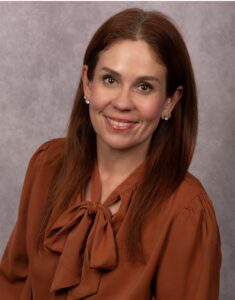
Courtney Markham-Abedi, MD
Conditions
February 2, 2023
Share
Tweet
Share

The recent case of Lindsay Clancy has weighed heavily on my heart over the past several days. According to her husband, she was a young mother who was suffering from postpartum depression or psychosis and receiving treatment in an intensive outpatient program. She allegedly took her children’s lives and tried to end her own life.

The DSM 5-TR nomenclature for this condition is peripartum onset, referring to mood onset during pregnancy or within four weeks of delivery. However, I will use the term “postpartum depression/mental illness” throughout as it is more widely recognized, and there is an appreciation that during the strict criteria state onset within four weeks, there are many variable presentations.

Her husband, Patrick, made a statement asking for forgiveness and spoke about each of his children’s amazing attributes. His plea will likely face resistance in a society that is often unforgiving of mothers who suffer, especially from mental illness. It often takes personal experience or that of a loved one to understand the ramifications of postpartum depression, which affects 10 to 15 percent of women after birth and can occur up to a year later. Postpartum psychosis is much rarer, at 0.1 to 0.2 percent. Those who have treated individuals with psychosis understand that the individual experiences the thoughts, often persecutory in nature, as real. Postpartum anxiety and obsessive-compulsive disorders are often associated with depression and sometimes psychosis and are characterized by intrusive thoughts. Intrusive thoughts are uncontrollable and mostly unwanted thoughts, such as experiencing scary images or thoughts, like seeing blood on the walls of the nursery. Practitioners attempt to determine the potential danger of these thoughts, but it’s not always clear or predictable.

Mothers suffering from postpartum depression, and especially psychosis, are often confused, embarrassed, and ashamed, which sometimes keeps them from seeking help. Mothers who commit filicide often believe that evil forces are after their children and that taking extreme measures is the only way to protect them. This is very upsetting and unthinkable to most people. Still, we must remember that individuals with postpartum psychosis suffer from a break from reality, and their brains are not functioning in a way that makes sense to them.

I have suffered from postpartum depression and had intrusive thoughts, and I can’t imagine what her husband, family, and friends are going through. I hope people will learn more about this illness and what to look for. She was getting treatment, and she and her husband were doing everything right, but the outcome was still unthinkable. I hope that those of us in health care will do our best to raise awareness of postpartum mental illnesses and heed her husband’s call to view this tragedy with empathy.

Courtney Markham-Abedi is a psychiatrist.

Prev

A cardiac arrest is a tragedy. Multiple cardiac arrests are a moral injury.

February 2, 2023 Kevin 0
…
Next

Uncovering the hidden struggles of NYC nurses: an insider's perspective [PODCAST]

February 2, 2023 Kevin 0
…

Tagged as: Psychiatry

Post navigation

< Previous Post
A cardiac arrest is a tragedy. Multiple cardiac arrests are a moral injury.
Next Post >
Uncovering the hidden struggles of NYC nurses: an insider's perspective [PODCAST]

ADVERTISEMENT

More by Courtney Markham-Abedi, MD

  • A psychiatrist’s scarlet letter of shame

    Courtney Markham-Abedi, MD
  • How showing up teaches children about grief and empathy

    Courtney Markham-Abedi, MD
  • Doctors reveal the unspoken toll of shame and sacrifice in medicine

    Courtney Markham-Abedi, MD

Related Posts

  • Treating depression with ketamine: We need incremental treatment for depression

    Shaili Jain, MD
  • Medicaid expansion for postpartum support

    Kimi Chernoby, MD, JD and Claire Dowell
  • Physicians are at the frontline of depression

    Michele Luckenbaugh
  • Surviving medical school with depression

    Anonymous
  • My depression won’t defeat me

    Ronna Edelstein
  • Non-medical transportation for postpartum moms is a necessity

    Anirudh Prabu and Ishaan Shah

More in Conditions

  • Geriatric diabetes management: Why strict A1c targets can harm seniors

    George James
  • Why progression independent of relapse activity is the silent driver of disability in multiple sclerosis

    Andreas Muehler, MD, MBA
  • A physician’s quiet reflection on January 1, 2026

    Dr. Damane Zehra
  • When the doctor becomes the patient: a breast cancer diagnosis

    Sue Hwang, MD
  • My journey with fibroids and hysterectomy: a patient’s perspective

    Sonya Linda Bynum
  • Social work accountability: the danger of hindsight bias

    Gerald Kuo
  • Most Popular

  • Past Week

    • Health care as a human right vs. commodity: Resolving the paradox

      Timothy Lesaca, MD | Physician
    • My wife’s story: How DEA and CDC guidelines destroyed our golden years

      Monty Goddard & Richard A. Lawhern, PhD | Conditions
    • The gastroenterologist shortage: Why supply is falling behind demand

      Brian Hudes, MD | Physician
    • Why voicemail in outpatient care is failing patients and staff

      Dan Ouellet | Tech
    • Alex Pretti’s death: Why politics belongs in emergency medicine

      Marilyn McCullum, RN | Conditions
    • U.S. opioid policy history: How politics replaced science in pain care

      Richard A. Lawhern, PhD & Stephen E. Nadeau, MD | Meds
  • Past 6 Months

    • How environmental justice and health disparities connect to climate change

      Kaitlynn Esemaya, Alexis Thompson, Annique McLune, and Anamaria Ancheta | Policy
    • Will AI replace primary care physicians?

      P. Dileep Kumar, MD, MBA | Tech
    • A physician father on the Dobbs decision and reproductive rights

      Travis Walker, MD, MPH | Physician
    • What is the minority tax in medicine?

      Tharini Nagarkar and Maranda C. Ward, EdD, MPH | Education
    • Why the U.S. health care system is failing patients and physicians

      John C. Hagan III, MD | Policy
    • Alex Pretti: a physician’s open letter defending his legacy

      Mousson Berrouet, DO | Physician
  • Recent Posts

    • Geriatric diabetes management: Why strict A1c targets can harm seniors

      George James | Conditions
    • Why progression independent of relapse activity is the silent driver of disability in multiple sclerosis

      Andreas Muehler, MD, MBA | Conditions
    • Why medical school DEI mission statements matter for future physicians

      Laura Malmut, MD, MEd, Aditi Mahajan, MEd, Jared Stowers, MD, and Khaleel Atkinson | Education
    • A physician’s quiet reflection on January 1, 2026

      Dr. Damane Zehra | Conditions
    • AI censorship threatens the lifeline of caregiver support [PODCAST]

      The Podcast by KevinMD | Podcast
    • Demedicalize dying: Why end-of-life care needs a spiritual reset

      Kevin Haselhorst, MD | Physician

Subscribe to KevinMD and never miss a story!

Get free updates delivered free to your inbox.


Find jobs at
Careers by KevinMD.com

Search thousands of physician, PA, NP, and CRNA jobs now.

Learn more

Leave a Comment

Founded in 2004 by Kevin Pho, MD, KevinMD.com is the web’s leading platform where physicians, advanced practitioners, nurses, medical students, and patients share their insight and tell their stories.

Social

  • Like on Facebook
  • Follow on Twitter
  • Connect on Linkedin
  • Subscribe on Youtube
  • Instagram

ADVERTISEMENT

ADVERTISEMENT

  • Most Popular

  • Past Week

    • Health care as a human right vs. commodity: Resolving the paradox

      Timothy Lesaca, MD | Physician
    • My wife’s story: How DEA and CDC guidelines destroyed our golden years

      Monty Goddard & Richard A. Lawhern, PhD | Conditions
    • The gastroenterologist shortage: Why supply is falling behind demand

      Brian Hudes, MD | Physician
    • Why voicemail in outpatient care is failing patients and staff

      Dan Ouellet | Tech
    • Alex Pretti’s death: Why politics belongs in emergency medicine

      Marilyn McCullum, RN | Conditions
    • U.S. opioid policy history: How politics replaced science in pain care

      Richard A. Lawhern, PhD & Stephen E. Nadeau, MD | Meds
  • Past 6 Months

    • How environmental justice and health disparities connect to climate change

      Kaitlynn Esemaya, Alexis Thompson, Annique McLune, and Anamaria Ancheta | Policy
    • Will AI replace primary care physicians?

      P. Dileep Kumar, MD, MBA | Tech
    • A physician father on the Dobbs decision and reproductive rights

      Travis Walker, MD, MPH | Physician
    • What is the minority tax in medicine?

      Tharini Nagarkar and Maranda C. Ward, EdD, MPH | Education
    • Why the U.S. health care system is failing patients and physicians

      John C. Hagan III, MD | Policy
    • Alex Pretti: a physician’s open letter defending his legacy

      Mousson Berrouet, DO | Physician
  • Recent Posts

    • Geriatric diabetes management: Why strict A1c targets can harm seniors

      George James | Conditions
    • Why progression independent of relapse activity is the silent driver of disability in multiple sclerosis

      Andreas Muehler, MD, MBA | Conditions
    • Why medical school DEI mission statements matter for future physicians

      Laura Malmut, MD, MEd, Aditi Mahajan, MEd, Jared Stowers, MD, and Khaleel Atkinson | Education
    • A physician’s quiet reflection on January 1, 2026

      Dr. Damane Zehra | Conditions
    • AI censorship threatens the lifeline of caregiver support [PODCAST]

      The Podcast by KevinMD | Podcast
    • Demedicalize dying: Why end-of-life care needs a spiritual reset

      Kevin Haselhorst, MD | Physician

MedPage Today Professional

An Everyday Health Property Medpage Today
  • Terms of Use | Disclaimer
  • Privacy Policy
  • DMCA Policy
All Content © KevinMD, LLC
Site by Outthink Group

Leave a Comment

Comments are moderated before they are published. Please read the comment policy.

Loading Comments...