I work in Dallas-Fort Worth (DFW) emergency departments where Spanish and English share the same hallway. Residents ask me the same question every block: Can we use ChatGPT for triage?
My answer is short. You can use it to practice thinking. You cannot use it to decide who waits. Here is what I actually teach on shift and in conference.
Ask most physicians outside emergency medicine how they’d handle a patient presenting with three possible diagnoses, incomplete labs, and a deteriorating vital sign trend, and you’ll usually get a version of “I’d want more information first.” Ask an ER physician the same question, and you’ll get an action plan within seconds. That gap isn’t intelligence. It’s training. And I think it’s worth naming exactly what that training builds, because most …
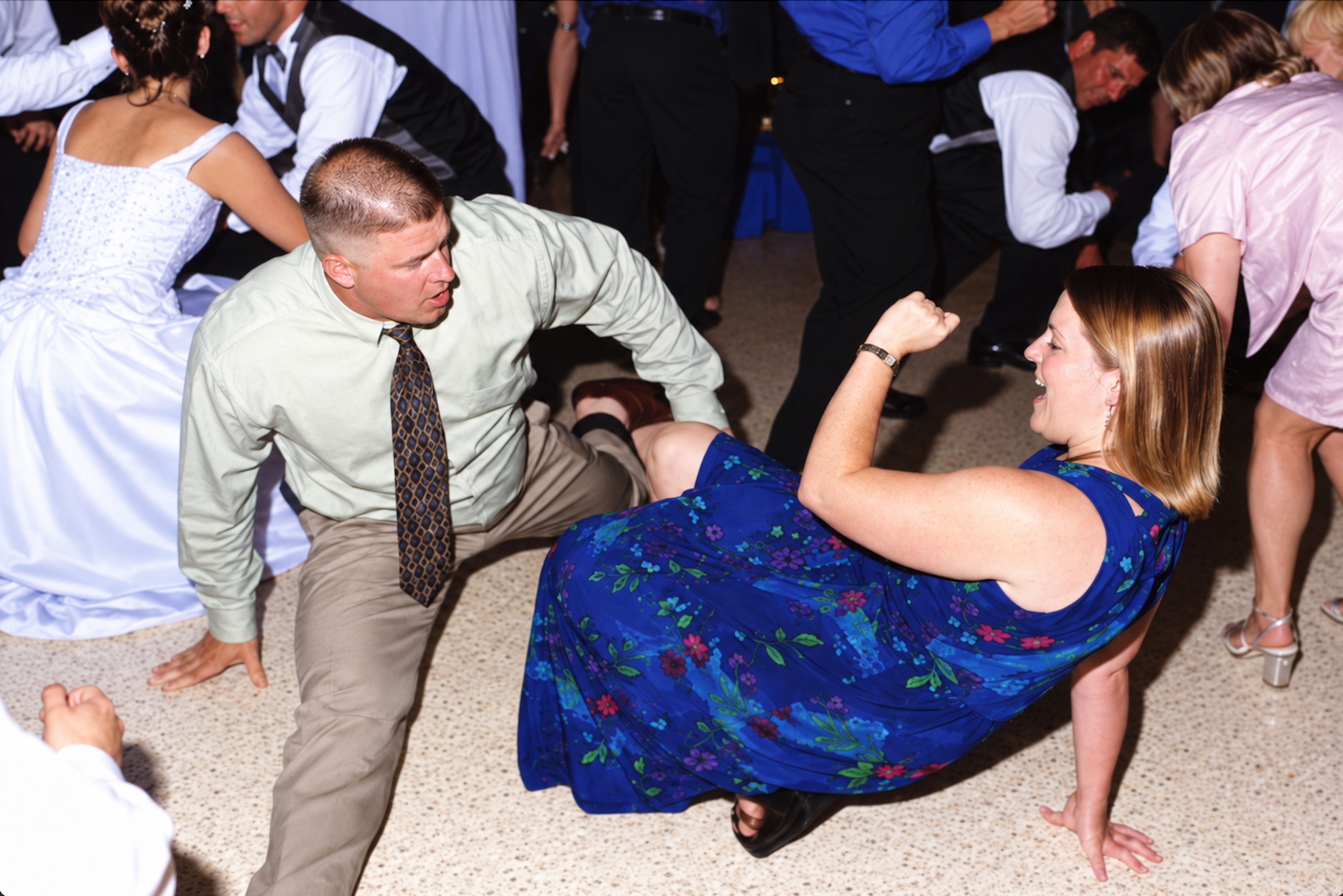
The author and his wife, at a time when getting off the floor required considerably less planning.
People ask what being an emergency physician is like, and they expect the blood, the saves, the codes, the worst nights. Those happen, and they matter, but I try not to carry those home. What I try to keep is the people. You meet everyone in …
In South Louisiana, hurricane season is treated like a fifth season of the year. Angela C. Johnson explains what that means for physicians and patients. She is an internal medicine physician and member …
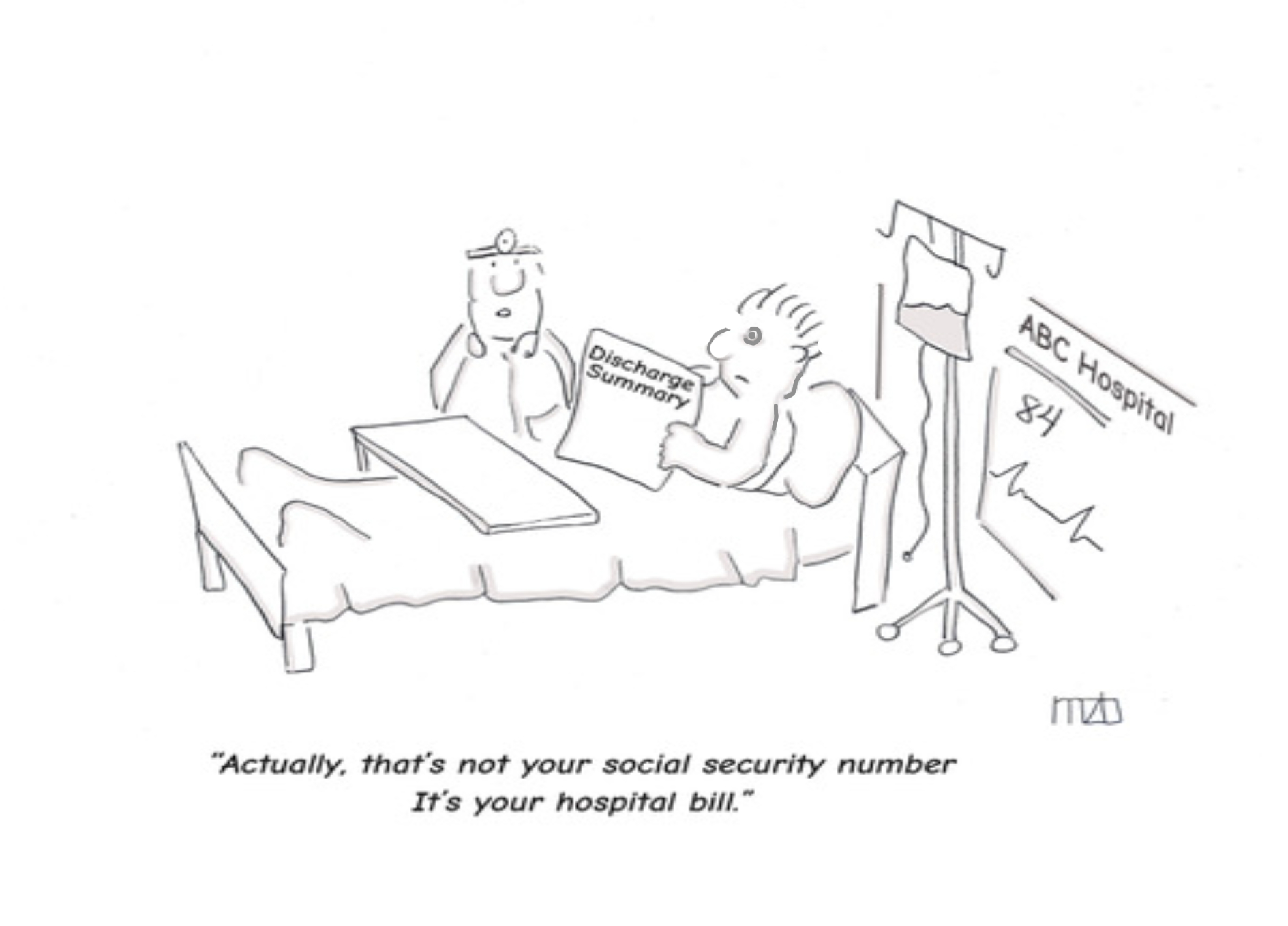
Last summer I received a $9,000 bill for an overnight hospital stay that I probably could have done without, medically speaking. It started two days earlier, when I went in for a prostate biopsy. Mind you, this was my third biopsy and each one, including this one, turned out to be negative. Nevertheless, my doctor keeps asking me to undergo these invasive …
It is late evening on a Tuesday. Not a remarkably unusual Tuesday, but the typical day that we have all experienced after a hard day at work. She sits alone at the kitchen island after working a 12-hour day in the OR. She is doing something that she has done countless times: moving money back into cash during a time of market volatility.
My shift started at 7 a.m. The overnight physician wishes me a good shift. We both know that’s mostly luck. I pick up my first patient before I’ve taken a sip of coffee.
My first few patients are what we affectionately call “bread and butter.” An ankle injury. A cough that’s lingered for two days. Back pain. A medication refill. Someone wants an MRI today because they’ve had headaches for three …
I’m the guy who doesn’t need help at the Apple Store. Thirty years as the family IT department, the one who sets up everybody’s phone at Thanksgiving. So I can’t tell you why, when I bought a new iPad Pro in June 2022, I walked into the store to have them move everything over for me. Habit, maybe. A slow afternoon. I figured I’d be out in ten minutes.
When catastrophic floods struck Texas on July 4, 2025, killing 78 people, questions quickly emerged about the timing and accessibility of public emergency warnings. In the hours before the disaster, some alerts were delayed amid staffing shortages and funding cuts. Others were posted on private social media platforms, which can often only be viewed with an account. In a crisis where every minute matters, even the smallest obstacles to …
I recently had the opportunity to speak with a group of neurogastroenterologists who practice at a major referral center. These specialty physicians treat people with complex digestive disorders such as gastroparesis, abnormal motility, and irritable bowel disease. They also treat patients with illnesses categorized as “functional gastrointestinal disorders,” where no specific physical or lab abnormality can be identified. The people who have these disorders can get very frustrated and unhappy …
In 2024, I joined a medical mission trip across East Africa with my spiritual community. Our guiding principle was simple: “Love all, serve all.” The goal was selfless service: providing free medical care to anyone who needed it. Roughly sixty of us traveled together, physicians, pharmacists, nurses, and support staff, moving across rural sites to set up temporary medical camps.
We saw hundreds of patients in environments that shifted constantly: church …
The call came at 2 a.m. Not about a new patient. About one who had left.
She had been in my department three days earlier. Eighteen years old. Came in with chest tightness after a night out. Tox screen negative. Discharged. Three days later, fentanyl overdose. Dead. I have replayed that visit more times than I can count.
New data published in Emergency Medicine News puts a number on how many families …
Picture a health system where family medicine and emergency medicine physicians work together as true partners within the same emergency department. Both specialties share responsibility for the same patients by providing comprehensive and coordinated care. This is probably how the founders of emergency medicine, many of whom were family physicians, imagined the future when they started this specialty.
Although this collaborative approach may seem new to some, it has been …
As a physician trained in musculoskeletal care and neurologic deficits, and as a qualified medical evaluator (QME) and independent medical examiner (IME) dealing with personal injury accident cases and work-related incident cases, and also as an expert witness, we are dealing with establishing causation of the accident or incident to the impairment that is being claimed. This is done using biomechanics to relate the mechanism of injury to the treatment …
I have been an emergency medicine physician for many years. Trauma, cardiac arrests, strokes, lacerations. I’ve seen them all. But sometimes I wonder how I would do in an actual emergency. I mean, I can run a trauma or cardiac arrest code without much problem on my own turf. Get them into the resuscitation room where I have a full team and multiple resources at my disposal. Everyone knows their …
Stillness settles over the room. What had been a flurry of activity becomes something different. Something reverent. Sixty seconds pass.
“Thank you.”
There is a collective exhale, followed by a harsh realization. We must now move into cruel acceptance, into a place where hope no longer lives. With two words, I have ushered in a new reality.
As an emergency medicine physician, we’ve all had that hysterical patient. The one that comes in during a busy shift grabbing at their head, their chest, their abdomen. Yelling out that they are in pain as they roll by.
You know the one. They make the nurses’ eyes roll. They add to an already chaotic scene. Other patients stop to watch as the gurney passes.
In 1999, researcher Dr. Kathleen Mosier placed 25 experienced pilots in a high-tech flight simulator. Her goal was to measure their response to inaccurate automated alerts. When cockpit instruments indicated an engine fire, the protocol was to verify the condition with other sensors. Instead, every one of the 25 pilots shut down the affected engine, responding to the false positive warning, an error of commission. In another scenario, the simulated …
It happens about forty minutes into a shift, or forty minutes after a bad call, or sometimes just in the break room on a Tuesday afternoon when someone says something that has no business being funny. And the whole crew laughs.
If you’re new, you won’t know what to do with this. You’ll look at the people around you, competent, caring professionals by every observable measure, and wonder what is wrong …
Working as an emergency medicine physician, I come into contact with people on the wrong side of the law regularly. We evaluate local inmates for a variety of complaints such as chest pain, sports injuries, falls, seizures, etc. We also get a number of patients from the back of police cars and the city jail holding center. These come in as requiring “medical clearance for incarceration.” Most of the time, …